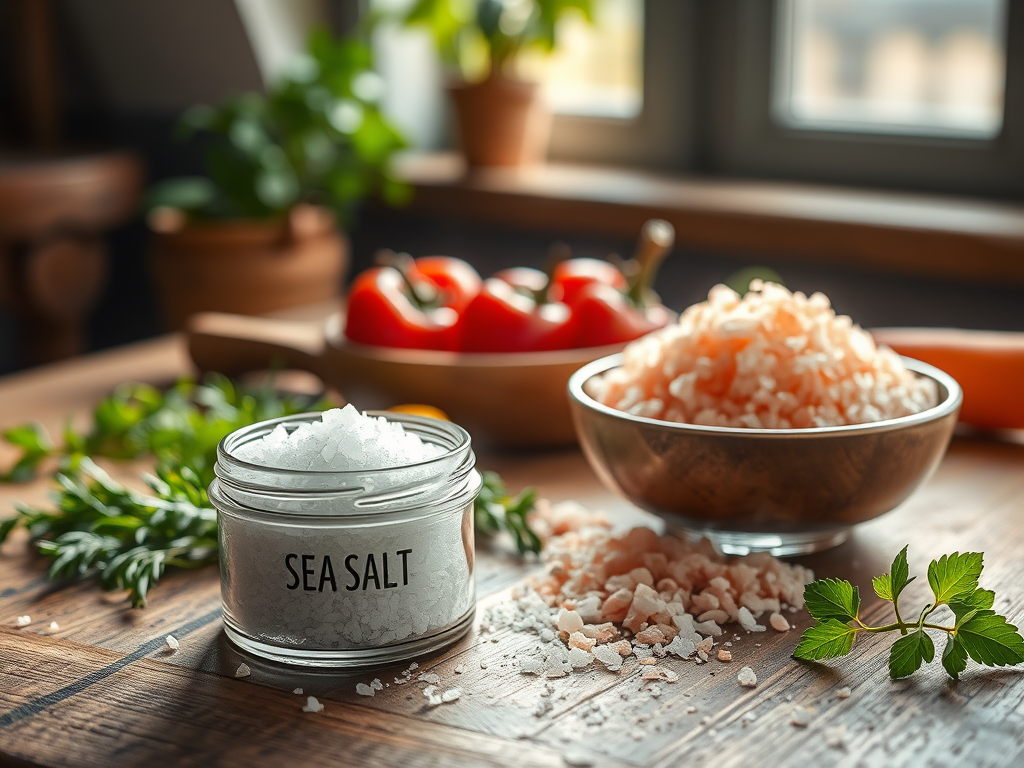
In recent years, gourmet salts like grey sea salt and pink Himalayan salt have gained popularity among chefs, health enthusiasts, and home cooks alike. Unlike refined table salt, these natural salts offer unique flavors, textures, and potential health benefits that elevate both culinary experiences and wellness. While table salt remains a kitchen staple, its drawbacks make it a less desirable choice compared to these unrefined alternatives. This piece explores the advantages of grey sea salt and pink Himalayan salt, their differences, and why table salt falls short.
Benefits of Grey Sea Salt
Grey sea salt, often harvested from the coastal regions of France, such as Guérande, is renowned for its mineral-rich composition and moist texture. Unlike table salt, which is heavily processed, grey sea salt is minimally refined, retaining trace minerals like magnesium, calcium, and potassium. These minerals not only enhance its complex and briny flavor but may also support bodily functions such as muscle health and hydration.
The texture of grey sea salt — slightly coarse and damp — makes it ideal for finishing dishes, adding a subtle crunch and burst of flavor to everything from roasted vegetables to grilled meats. Its natural harvesting process, which involves evaporating seawater in clay-lined pools, ensures it remains free from additives and anti-caking agents. For those seeking a sustainable and artisan product, grey sea salt’s traditional production methods align with eco-conscious values.
Benefits of Pink Himalayan Salt
Pink Himalayan salt, mined from ancient salt deposits in the Punjab region of Pakistan, is celebrated for its striking pink hue and robust mineral content. Containing up to 84 trace minerals, including iron (which gives it its color), calcium, and potassium, this salt is often marketed as a healthier alternative to table salt. While scientific evidence on its health benefits remains limited, anecdotal reports suggest it may aid in electrolyte balance and improve hydration.
Culinary-wise, pink Himalayan salt is versatile, with a clean, crisp flavor that complements both savory and sweet dishes. Its coarse grains are perfect for grinding over salads or using in salt blocks for cooking and serving. Beyond the kitchen, it’s used in spa treatments and salt lamps, believed to promote relaxation and purify air, though these claims lack robust scientific backing. Its aesthetic appeal and perceived purity make it a favorite among health-conscious consumers.
Differences Between Grey Sea Salt and Pink Himalayan Salt
While both grey sea salt and pink Himalayan salt are unrefined and mineral-rich, they differ in origin, flavor, and texture. Grey sea salt comes from evaporated seawater, giving it a moist, slightly sticky consistency and a briny, oceanic taste. Its grey color stems from the clay in the salt ponds, which infuses it with unique minerals. Pink Himalayan salt, on the other hand, is mined from ancient underground deposits, resulting in a drier, more crystalline texture and a milder, earthier flavor.
In terms of mineral content, pink Himalayan salt boasts a broader range of trace elements, while grey sea salt’s mineral profile is closely tied to its marine origins. Grey sea salt is often preferred for finishing dishes due to its texture, while pink Himalayan salt’s versatility makes it suitable for both cooking and decorative uses, such as salt grinders or table displays.
Disadvantages of Table Salt
Table salt, the most common salt in households, is heavily processed, stripped of its natural minerals, and often fortified with iodine to prevent deficiencies. While iodization is beneficial in some contexts, the refining process removes trace minerals, leaving a product that’s nearly 100% sodium chloride. This lack of complexity results in a one-dimensional flavor that pales in comparison to the nuanced taste of grey sea salt or pink Himalayan salt.
Additionally, table salt often contains additives like anti-caking agents (e.g., sodium ferrocyanide) to prevent clumping, which can be off-putting to those seeking natural foods. Its fine texture, while convenient for measuring, lacks the visual and tactile appeal of coarser, unrefined salts. Excessive consumption of table salt, due to its high sodium content and lack of balancing minerals, may contribute to health issues like hypertension in sensitive individuals, though this risk applies to all salts if overused.
Why Choose Grey Sea Salt or Pink Himalayan Salt?
The choice between grey sea salt and pink Himalayan salt often comes down to personal preference and culinary application. Grey sea salt’s oceanic flavor and moist texture make it a chef’s darling for elevating dishes, while pink Himalayan salt’s aesthetic appeal and versatility suit a wide range of uses. Both offer trace minerals that table salt lacks, potentially supporting health when used in moderation. Their unrefined nature ensures a purer, more authentic product, free from the additives found in table salt.
Switching to these natural salts isn’t just about health—it’s about embracing a richer sensory experience. Whether you’re sprinkling grey sea salt over a fresh salad or grinding pink Himalayan salt onto a sizzling steak, these salts transform meals into something extraordinary. Table salt, with its processed nature and lackluster flavor, simply can’t compete.
Here’s a link to our salts https://mistys.garden/product-tag/salt/
Leave a Reply